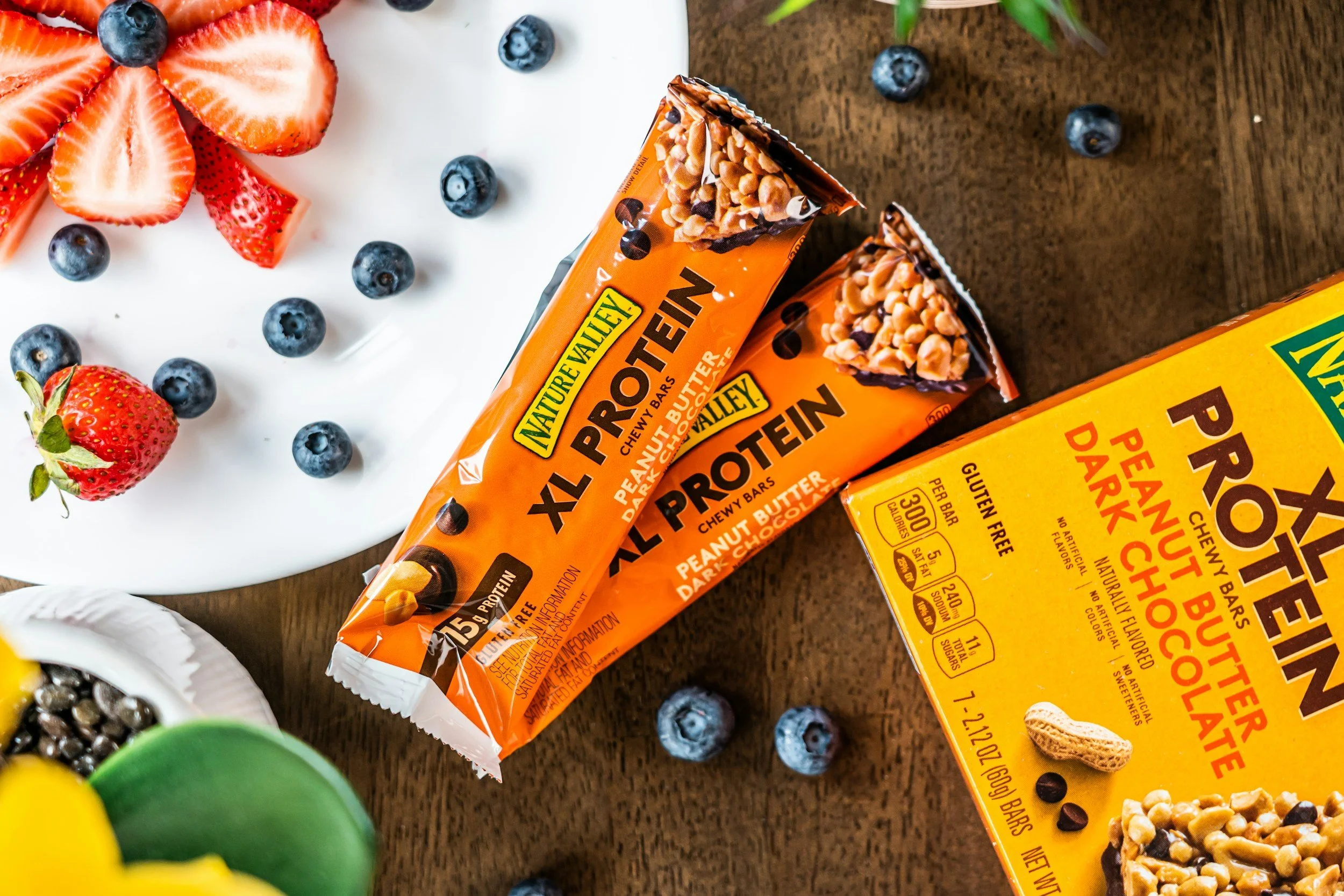
With so many protein bars on the market, figuring out which ones are actually healthy can be surprisingly difficult. Some contain more than 20 grams of protein, others have enough calories to replace a small meal, and a few taste more like candy bars than something you'd expect to find in the health food aisle.
As a registered dietitian nutritionist, one of the most common questions I get from clients is, "What's the best protein bar?"
My answer? It depends on what you're looking for.
Maybe you're trying to increase your protein intake, find a convenient snack between meals, support muscle recovery, or choose something that will actually keep you full. Whatever your goal, there's more to consider than the amount of protein listed on the front of the wrapper.
I compared nine popular protein bar brands, including Barebells, Costco's Kirkland Signature bars, David, Built, Quest, ALOHA, protein puff bars, Pure Protein, and G2G.
Below, I'm breaking down how they compare nutritionally, what makes each one stand out, and which options I'd recommend for different nutrition goals.
The 9 Best Protein Bars:
1. Barebells Protein Bars — Best Overall Protein Bar
If you're looking for a protein bar that tastes more like a chocolate-covered treat than a typical protein supplement, Barebells deserves a spot on your list.
Barebells protein bars have become popular for their soft, chewy centers, chocolate coatings, and dessert-inspired flavors. Unlike some protein bars that have a dry, chalky texture, Barebells offers a texture closer to a traditional candy bar.
Most standard Barebells bars provide approximately 20 grams of protein for around 200 calories, making them a convenient option for increasing protein intake without adding a large amount of food.
What I Like About Barebells
One of the biggest advantages is the combination of protein content and taste. A bar with 20 grams of protein can be especially useful when you're short on time or need something to eat after a workout.
Barebells bars are also generally low in sugar, although they use alternative sweeteners to achieve their sweet flavor.
Another advantage is convenience. They're shelf-stable, individually packaged, and easy to keep in your gym bag, desk drawer, or purse.
What Could Be Better?
Barebells bars tend to cost more than some other popular protein bars, especially compared with brands sold in bulk at Costco.
They're also not necessarily the best option for someone looking for a minimally processed snack. Like many high-protein bars, they contain added protein ingredients, sweeteners, and other ingredients that help create their texture.
My Dietitian Take: Barebells is my suggested best overall pick because it offers a practical balance of protein, calories, and dessert-like appeal. If you want a convenient way to get approximately 20 grams of protein while satisfying a sweet craving, it's worth considering.
Best For: Overall convenience, taste, and increasing daily protein intake.
2. Costco Kirkland Signature Protein Bars — Best Budget Protein Bar
Protein bars can get expensive, especially if you're eating one almost every day. That's where Costco's Kirkland Signature protein bars stand out.
These bars typically provide around 21 grams of protein and a substantial amount of fiber, depending on the flavor.
They're also sold in larger quantities, which can make them more affordable per bar than many individually purchased alternatives.
What I Like About Kirkland Protein Bars
From a nutritional standpoint, Kirkland bars offer a good amount of protein relative to their calorie content.
They also tend to contain more fiber than many other protein bars. Fiber can help support digestive health and contribute to fullness, making these bars potentially more satisfying than a snack with very little fiber.
Another advantage is the price. Buying protein bars in bulk can be a practical way to save money if you regularly rely on them for snacks.
What Could Be Better?
Texture is probably the biggest consideration.
Kirkland bars are known for being dense and chewy, which some people enjoy and others find difficult to eat.
Their higher fiber content may also cause bloating or gastrointestinal discomfort in people who aren't accustomed to eating large amounts of added fiber.
My Dietitian Take: Kirkland Signature bars are a strong option for anyone who wants a high-protein, high-fiber snack without spending several dollars per bar. Just pay attention to how your digestive system responds to the added fiber.
Best For: Budget-conscious shoppers, high-protein snacks, and people looking to increase fiber intake.
3. David Protein Bars — Best High-Protein Bar
David protein bars have attracted attention for one major reason: their impressive protein-to-calorie ratio.
The brand's signature bars contain 28 grams of protein for just 150 calories.
For comparison, many traditional protein bars provide around 15–20 grams of protein for 180–250 calories.
That makes David one of the more protein-dense options in this comparison.
What I Like About David Protein Bars
The biggest advantage is efficiency.
If you're trying to increase your daily protein intake without adding a significant number of calories, a bar containing 28 grams of protein can be convenient.
This may be especially helpful for people who struggle to meet their protein needs through meals alone.
David bars also use a blend of protein sources rather than relying exclusively on collagen. That's worth paying attention to because not all protein sources have the same amino acid profile.
What Could Be Better?
David bars are typically more expensive than many mainstream protein bars.
Their formulation also relies on several ingredients to achieve a very high protein content with relatively few calories.
And while 28 grams of protein is impressive, more protein isn't automatically better for everyone.
If you're already meeting your protein needs, choosing a bar with fewer grams of protein and more fiber, carbohydrates, or healthy fats may be equally appropriate.
My Dietitian Take: David is a strong choice for someone prioritizing protein density. However, I wouldn't recommend choosing a protein bar solely because it contains the most protein. Your total daily intake, dietary preferences, and overall nutritional needs matter more.
Best For: High-protein diets, muscle recovery, and maximizing protein relative to calories.
4. Built Bars and Built Puffs — Best Lower-Calorie Protein Bar
Built offers two popular styles of protein bars: traditional Built Bars and Built Puffs.
Traditional Built Bars have a chewy texture, while Built Puffs are known for their soft, marshmallow-like centers.
Both are coated in chocolate and available in dessert-inspired flavors.
Depending on the product and flavor, Built Puffs commonly contain approximately 17 grams of protein for around 140–160 calories.
What I Like About Built Bars
One of their biggest advantages is that they provide a meaningful amount of protein in a relatively small snack.
For someone who wants a little something sweet after lunch or needs a convenient snack between meals, a Built Puff may be a good fit.
The marshmallow-like texture is also different from the dense, chewy consistency found in many protein bars.
What Could Be Better?
Built Bars and Built Puffs aren't nutritionally identical, so it's important to compare the specific product you're purchasing.
They also may not be filling enough to replace a meal or serve as your only post-workout food, particularly if you need additional carbohydrates or calories.
My Dietitian Take: Built Puffs are worth considering when you want a lighter, protein-rich snack. I especially like the concept of having a smaller option available for times when you're not hungry enough for something substantial.
Best For: Lower-calorie snacks, sweet cravings, and convenient protein between meals.
5. Quest Protein Bars — Best Low-Sugar Protein Bar
Quest is one of the most recognizable protein bar brands, particularly among people following high-protein or lower-carbohydrate diets.
Many Quest protein bars contain approximately 20–21 grams of protein, relatively little sugar, and a substantial amount of fiber.
They also come in a wide variety of flavors, including Chocolate Chip Cookie Dough, Cookies & Cream, and Birthday Cake.
What I Like About Quest Protein Bars
Quest bars offer a combination of protein and fiber that can make them a convenient, satisfying snack.
Their relatively low sugar content may appeal to people who are monitoring their added sugar intake.
However, it's important to remember that a food being low in sugar doesn't automatically make it healthier than another option.
Quest bars also offer a wide variety of flavors, which can be helpful if you get tired of eating the same protein bar every day.
What Could Be Better?
Some Quest bars contain sugar alcohols and added fibers that may cause bloating, gas, or other digestive symptoms in sensitive individuals.
This is especially important for people with irritable bowel syndrome (IBS) or those who are sensitive to certain fermentable carbohydrates.
The texture can also be quite dense, depending on the flavor.
My Dietitian Take: Quest bars can be a practical option for someone who wants a high-protein, low-sugar snack. However, I would pay just as much attention to fiber tolerance and the overall ingredient list as I would to the sugar content.
Best For: Low-sugar snacks, higher-fiber options, and people monitoring carbohydrate intake.
6. ALOHA Protein Bars — Best Plant-Based Protein Bar
Finding a plant-based protein bar that offers a reasonable amount of protein, tastes good, and has a satisfying texture isn't always easy.
ALOHA is one brand worth considering.
ALOHA protein bars are made with plant-based protein sources and are designed for people looking for dairy-free and vegan-friendly options.
Many standard ALOHA bars contain around 14 grams of protein, although nutritional values vary by flavor and product.
What I Like About ALOHA Protein Bars
ALOHA bars offer a different nutritional profile from many whey-based protein bars.
Rather than focusing exclusively on maximizing protein while minimizing calories, they often include ingredients such as nuts, seeds, and plant-based protein.
They also provide fiber, which can contribute to fullness and support digestive health.
For someone following a vegan diet or avoiding dairy, ALOHA can be a convenient alternative to traditional whey-based bars.
What Could Be Better?
ALOHA bars generally contain less protein per calorie than options such as David, Quest, or Barebells.
However, that doesn't necessarily make them less healthy.
A bar with additional calories from nuts, seeds, and other ingredients may be appropriate for someone who wants a more substantial snack.
My Dietitian Take: ALOHA is one of the options I'd consider for someone looking for a plant-based protein bar. While it may not have the highest protein-to-calorie ratio, that isn't the only measure of nutritional quality.
Best For: Vegan diets, dairy-free diets, and plant-based snacks.
7. Protein Puff Bars — Best Crispy Protein Bar
Not everyone enjoys the dense, chewy texture of traditional protein bars.
If that's you, protein puff bars may be worth trying.
Unlike standard protein bars, puff-style products often use crisped protein pieces to create a lighter, crunchier texture.
Their nutritional profiles can vary considerably depending on the brand and protein source.
What I Like About Protein Puff Bars
The biggest advantage is texture.
A crispy protein bar can be a nice alternative when you're tired of chewy bars or want something that feels more like a traditional crunchy snack.
Some puff-style bars also provide a meaningful amount of protein in a convenient, individually packaged serving.
What Could Be Better?
Protein puff bars aren't one standardized product, so it's difficult to compare them nutritionally without choosing a specific brand.
Some varieties may contain less fiber or protein than other options on this list.
The type of protein used can also vary, so checking the ingredient list is important.
My Dietitian Take: Protein puff bars can be a good alternative for people who dislike traditional protein bar textures. I'd compare the protein content, fiber, ingredients, and price of the specific brand before deciding whether it's a better choice.
Best For: Crispy texture, snack variety, and people who dislike chewy protein bars.
8. Pure Protein Bars — Best Affordable Everyday Protein Bar
Pure Protein bars have been around for years and remain a popular option for people looking for convenient, affordable protein.
Many varieties provide approximately 19–21 grams of protein for around 180–200 calories.
They're also widely available at grocery stores, pharmacies, and major retailers.
What I Like About Pure Protein Bars
Pure Protein offers a fairly straightforward way to add protein to your day.
Most standard varieties provide around 20 grams of protein, making them comparable to several more expensive options.
They're also often available in multipacks, which can help lower the cost per serving.
For someone who doesn't want to spend a lot of money on protein bars, this can be a practical choice.
What Could Be Better?
Pure Protein bars often contain alternative sweeteners, and their ingredient lists may be longer than those of some other snack options.
Texture and flavor can also vary significantly between varieties.
As with other protein bars, I'd recommend checking the label rather than assuming every flavor has the same nutritional profile.
My Dietitian Take: Pure Protein is a reasonable everyday option if affordability and convenience are priorities. It may not be the most exciting choice, but you don't need an expensive protein bar to meet your nutrition goals.
Best For: Affordable protein, everyday snacking, and convenient post-workout options.
9. G2G Protein Bars — Best More Substantial Snack
G2G protein bars are a little different from many of the other options on this list.
They're refrigerated protein bars made with ingredients such as nut butters and other components that contribute to their soft texture.
Many varieties provide approximately 18 grams of protein and around 300 calories, depending on the flavor.
What I Like About G2G Protein Bars
One of the biggest advantages is that they offer more than just protein.
Their nut-butter-based formulation provides fat along with protein and carbohydrates, creating a snack with a different nutritional profile from a lower-calorie protein bar.
For someone who needs something more substantial between meals, that can be beneficial.
The softer texture may also appeal to people who dislike traditional chewy protein bars.
What Could Be Better?
G2G bars generally contain more calories than many of the other protein bars on this list.
That isn't necessarily a disadvantage, but it does make them a different type of snack.
They also require refrigeration according to the manufacturer's storage guidance, which may make them less convenient for travel or keeping in a gym bag.
My Dietitian Take: G2G is worth considering when you want a more filling snack rather than simply the most protein for the fewest calories. It's a reminder that the healthiest protein bar isn't always the lowest-calorie option.
Best For: More substantial snacks, nut-butter lovers, and people who prefer softer protein bars.
What Makes a Protein Bar Healthy? A Dietitian Explains
When comparing protein bars, I look beyond the number of grams of protein advertised on the packaging.
A protein bar can contain 20 grams of protein and still be a poor fit for your nutritional needs. On the other hand, a bar with 12–15 grams of protein may be a great choice if it provides fiber, satisfying fats, and enough energy to keep you full between meals.
Here are the factors I recommend considering.
1. Protein Content and Quality
For many adults, a protein bar containing approximately 10–20 grams of protein can be a useful snack.
However, the ideal amount depends on your total daily protein needs, activity level, and how much protein you're already consuming through meals.
Protein quality matters, too.
Whey, casein, soy, and egg protein provide all nine essential amino acids. Plant-based protein blends can also provide a balanced amino acid profile.
Collagen, on the other hand, is an incomplete protein because it lacks tryptophan. While collagen has its uses, I wouldn't rely on it as my primary protein source for supporting muscle growth.
2. Fiber Content
Fiber is one of the most overlooked nutrients when choosing protein bars.
Adequate fiber intake supports digestive health and can help with fullness.
However, more fiber isn't always better in a single serving.
Some protein bars contain large amounts of added fibers, such as chicory root fiber or soluble corn fiber. These ingredients can contribute to gastrointestinal discomfort in sensitive individuals.
If you're not accustomed to high-fiber foods, gradually increasing your intake may help improve tolerance.
3. Added Sugar and Sweeteners
One of the biggest misconceptions about healthy protein bars is that they must contain zero grams of sugar.
That's simply not true.
A protein bar containing a small amount of added sugar can still fit into a balanced diet.
I recommend looking at the overall nutritional profile rather than automatically choosing whichever bar has the lowest sugar content.
Some low-sugar bars contain sugar alcohols or other alternative sweeteners. While these can help reduce added sugar, certain sugar alcohols may cause digestive discomfort.
4. Calories and Overall Nutritional Value
Calories aren't inherently good or bad. They're a measure of the energy food provides.
A 150-calorie protein bar might be appropriate when you need a small snack, while a 300-calorie bar could be a better option when you need something more substantial.
For example, someone eating a protein bar after a workout may benefit from additional carbohydrates and calories to support recovery.
Someone who simply wants a small snack between lunch and dinner may prefer a lighter option.
The important question isn't necessarily which bar has the fewest calories. It's which bar meets your needs.
5. Ingredients and Dietary Preferences
Ingredient lists can provide helpful information, but a shorter ingredient list doesn't automatically mean a product is healthier.
I recommend checking for ingredients that matter to your individual needs, such as dairy, soy, nuts, gluten-containing ingredients, or sweeteners that you may not tolerate well.
If you're following a vegan or dairy-free diet, you'll also want to pay attention to the protein source.
And if you're an athlete who needs products screened for prohibited substances, consider products with appropriate independent sport-certification programs.
Best Protein Bars for Different Nutrition Goals
The best protein bar for you may be different from the one I'd recommend to someone else.
Here's how I'd narrow down the options based on common nutrition goals.
Best Protein Bars for Weight Loss
If your goal is weight management, look for a bar that provides enough protein to help you feel satisfied and fits comfortably into your overall eating pattern.
Built Puffs, Barebells, and Quest are options worth comparing.
However, remember that no individual protein bar causes weight loss. Your overall calorie intake, food choices, activity level, and long-term habits matter much more.
Best Protein Bars for Muscle Building
For muscle growth and recovery, protein content and quality are important.
David, Barebells, Quest, and Pure Protein provide substantial amounts of protein per serving.
David stands out for its 28 grams of protein, although that doesn't automatically make it the best choice for everyone.
Consuming adequate total protein throughout the day, along with resistance training, is more important than choosing the bar with the highest protein number.
Best Protein Bars for Blood Sugar Management
If you're managing prediabetes, type 2 diabetes, or insulin resistance, consider the amount and type of carbohydrates, fiber, protein, and overall serving size.
Quest and Kirkland Signature are two options worth comparing because many varieties contain substantial protein and fiber.
However, low sugar doesn't always mean a product will have little effect on blood glucose.
Individual responses vary, and it's important to consider the complete nutrition label.
Best Plant-Based Protein Bars
ALOHA is a convenient option for people following vegan or dairy-free diets.
When choosing plant-based protein bars, look at the amount of protein per serving, the protein sources used, and whether the bar provides enough energy to satisfy your hunger.
Best Budget Protein Bars
Kirkland Signature and Pure Protein are two options I'd consider for people who regularly purchase protein bars.
Both offer substantial protein content and are commonly available in multipacks.
Comparing the cost per bar and cost per gram of protein can help you determine which provides the best value.
Are Protein Bars Actually Good for You?
Yes, protein bars can absolutely be part of a healthy diet.
But they're not a nutritional requirement, and you don't need to eat them to meet your protein goals.
I generally think of protein bars as a convenient tool rather than something that should replace balanced meals.
They can be especially helpful when you're traveling, working long hours, heading to the gym, or struggling to fit enough protein into your day.
That said, whole-food protein sources such as eggs, Greek yogurt, cottage cheese, tofu, edamame, nuts, and lean meats provide a variety of nutrients that protein bars may not offer.
My recommendation is to use protein bars when they're convenient and enjoyable, rather than relying on them as your primary source of nutrition.
Frequently Asked Questions About Protein Bars
What Is the Healthiest Protein Bar?
There isn't one protein bar that's healthiest for everyone. Barebells, Quest, Kirkland Signature, ALOHA, and David each offer different nutritional advantages. The best choice depends on your protein needs, dietary preferences, digestive tolerance, and budget.
What Are the Best Protein Bars for Weight Loss?
Protein bars such as Built Puffs, Quest, and Barebells may be convenient options for someone managing their calorie intake while prioritizing protein. However, protein bars don't directly cause weight loss, and the best option is one that helps you feel satisfied and supports your overall nutrition goals.
Are Barebells Protein Bars Healthy?
Barebells protein bars can fit into a balanced diet. Many varieties contain approximately 20 grams of protein with relatively little sugar. However, they also contain alternative sweeteners and other processed ingredients, which may not suit everyone's preferences or digestive tolerance.
Are Costco Protein Bars Healthy?
Kirkland Signature protein bars can be a nutritious, convenient snack. Many varieties provide around 21 grams of protein along with substantial fiber. Their higher fiber content may be beneficial for some people but can cause gastrointestinal discomfort in others.
Are David Protein Bars Worth It?
David protein bars offer an impressive 28 grams of protein for 150 calories in their signature formulation. If maximizing protein relative to calories is your priority, they may be worth the higher price. However, other protein bars can meet your needs for less money.
Is It Okay to Eat a Protein Bar Every Day?
For most people, eating a protein bar daily can fit into a balanced diet. The important consideration is whether you're also eating a variety of foods that provide fiber, vitamins, minerals, and other essential nutrients. Protein bars are convenient, but they shouldn't replace a diverse eating pattern.
What Protein Bars Have the Least Sugar?
Quest, Barebells, David, and some Built products offer low-sugar options. However, sugar content varies by flavor and formulation. Remember to compare the entire nutrition label rather than choosing a bar based solely on sugar grams.
Are Protein Bars Good for Building Muscle?
Protein bars can help support muscle growth by making it easier to meet your daily protein needs. However, resistance training, adequate energy intake, and total daily protein consumption are more important than any individual protein bar.
Final Verdict: Which Protein Bars Are Actually Worth Buying?
After comparing these nine popular protein bar options, a few stand out for different reasons.
Barebells is my suggested best overall choice for its combination of protein content, convenience, and dessert-like appeal.
Kirkland Signature is a strong budget-friendly option, especially if you regularly purchase protein bars and want a substantial amount of protein and fiber.
David stands out for protein density, offering 28 grams of protein in its signature 150-calorie bar.
And for anyone following a plant-based diet, ALOHA is an option worth considering.
Ultimately, the healthiest protein bar isn't necessarily the one with the most protein, the fewest calories, or the shortest ingredient list.
It's the one that meets your nutritional needs, tastes good to you, fits your budget, and makes it easier to maintain healthy habits.
As a registered dietitian, my advice is to focus on your overall eating pattern rather than trying to find one perfect protein bar.
And remember, a protein bar is just one convenient way to get protein. You can meet your protein needs through plenty of everyday foods, too.
Looking for more ways to increase your protein intake? Explore my other nutrition guides, high-protein meal ideas, and dietitian-approved snack recommendations on Nutrition by Bre.