Best Clean Protein Powder Brands
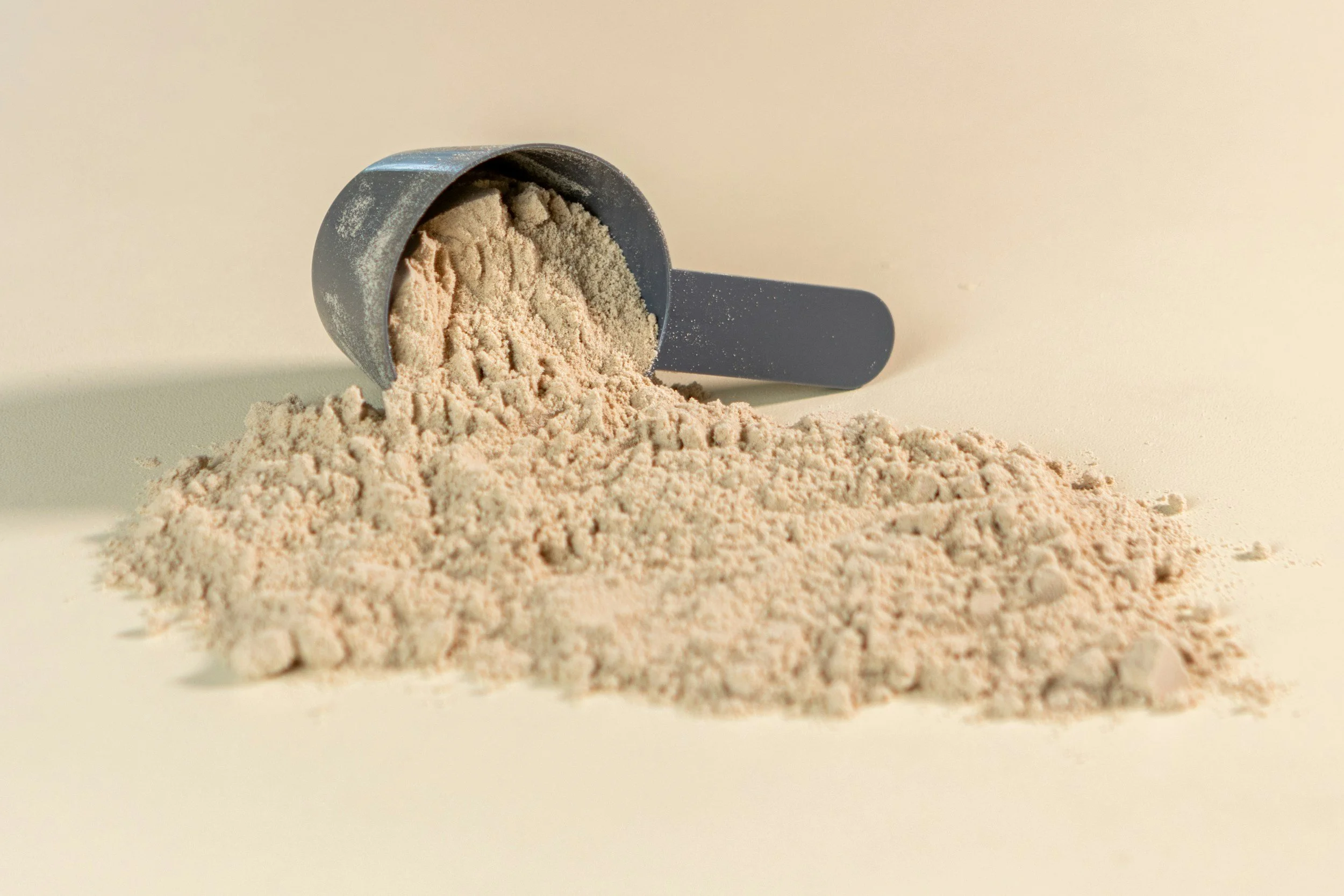
Protein powder is everywhere. It’s in your friend’s smoothie, your gym bag, and probably your pantry. But not all protein powders are created equal. Many “healthy” options still contain artificial sweeteners, fillers, gums, or even trace heavy metals. If you’re trying to eat better, support digestion, or build muscle without wrecking your gut, choosing the cleanest protein powder matters.
The tricky part is that “clean” isn’t regulated. One brand’s idea of clean might still include artificial flavors or low-quality protein sources. That leaves you guessing and sometimes paying more for products that don’t match your goals.
Get 15% off all of my favorite protein powders here and see my other recommendations!
What Makes a Protein Powder “Clean”?
When people talk about “clean protein,” they usually mean a product that supports health instead of quietly working against it. Since there’s no legal definition, you have to read labels and understand what actually matters.
A clean protein powder typically has a short ingredient list. You should recognize most of what’s on it. Think protein source first, then maybe cocoa powder or vanilla, and a light sweetener like stevia or monk fruit.
Quality also matters. Clean protein powders are usually third-party tested, meaning an outside lab checks for contaminants like heavy metals. This is important because some protein powders, especially plant-based ones, have tested positive for lead, arsenic, or cadmium in independent reports.
Finally, clean protein should be easy on your body. That means no harsh artificial sweeteners, no long list of gums, and no fillers that just add bulk.
What “Clean” Really Means
Clean doesn’t mean perfect. It means intentional. A clean protein powder avoids unnecessary additives and focuses on quality sourcing. Grass-fed whey, organic plant proteins, and transparent testing matter more than flashy marketing.
Just because a label says “natural” doesn’t mean much. That word isn’t strictly regulated. What matters is what’s actually in the tub and whether the brand shows proof of testing.
Key Features of Clean Protein Powders
Look for protein powders that are third-party tested by groups like NSF or Informed Choice. These programs help ensure what’s on the label matches what’s inside.
High-quality protein sources matter too. Grass-fed whey, organic pea protein, and egg white protein tend to be better choices than vague blends.
Marketing Myths vs Reality
“Organic” doesn’t automatically mean clean. An organic protein powder can still contain artificial flavors or lots of gums.
At the same time, a non-organic protein can still be clean if it’s well sourced, minimally processed, and properly tested.
Ingredients to Look For in Clean Protein Powder
If you want the cleanest protein powder, start by scanning the first few ingredients. That’s where most of the product comes from.
A good protein powder lists the protein source first, like grass-fed whey protein isolate or organic pea protein. After that, you might see cocoa powder, vanilla bean, or cinnamon.
Sweeteners should be minimal. Stevia or monk fruit in small amounts is usually fine for most people.
Best Protein Sources
Grass-fed whey is popular because it’s rich in essential amino acids and easy to digest for many people. Whey isolate is even gentler since most lactose is removed.
Plant protein powders usually use pea protein, brown rice protein, hemp, or a blend. Blends are often better because they balance amino acids.
Egg white protein is another clean option, especially if you’re dairy-free but not vegan.
Clean Add-Ins That Are Okay
Some clean protein powders include digestive enzymes to help with bloating. That can be helpful if you’re sensitive.
Cocoa powder, cinnamon, or real vanilla are also fine. They add flavor without chemical fillers.
Certifications to Trust
Look for third-party testing logos like NSF Certified for Sport or Informed Choice. These show the product has been checked for contaminants and banned substances.
Ingredients to Avoid in Protein Powders
Knowing what to avoid is just as important as knowing what to choose. When you’re scanning a label, these are the biggest red flags to watch for:
Artificial Sweeteners
Sucralose
Acesulfame potassium (Ace-K)
These can cause bloating, headaches, or gut issues for some people and keep your taste buds used to overly sweet flavors.
Artificial Flavors
“Artificial vanilla,” “artificial chocolate,” or generic “artificial flavor”
They add no nutrition and often hide lower-quality ingredients.
Fillers and Thickeners
Xanthan gum
Guar gum
Carrageenan
Small amounts aren’t always harmful, but large amounts can trigger bloating or digestive discomfort.
Cheap Carbohydrate Fillers
Maltodextrin
This is a fast-digesting carb that spikes blood sugar and adds little nutritional value.
Heavy Metals and Contaminants
Lead
Cadmium
Arsenic
These can show up in protein powders, especially plant-based ones grown in contaminated soil. This is why third-party testing matters.
The FDA monitors supplements but doesn’t test every product before it’s sold. Choosing brands that do their own testing or use independent labs is key. You can read more about supplement safety through the FDA and NIH.
Whey vs Plant Protein: Which Is Cleaner?
Many people ask whether plant protein powder is healthier than whey. The answer depends on your body.
Whey is naturally high in essential amino acids and is very effective for muscle building. It’s also well-researched, with benefits for muscle, metabolism, and satiety, according to Harvard Health and the Cleveland Clinic.
Plant proteins can be just as clean but sometimes need blending to match whey’s amino acid profile.
Nutritional Comparison
Whey usually has more leucine, which supports muscle protein synthesis. Plant proteins still work, but you might need a bit more total protein.
Environmental and Ethical Factors
Plant protein has a smaller environmental footprint. For some people, that makes it feel “cleaner” in a broader sense.
Which Is Best for You?
For muscle gain and athletic performance, whey often wins. For gut comfort, ethics, or dairy sensitivity, plant protein may feel better.
How to Choose the Cleanest Protein Powder for You
Start with your goal. Are you trying to lose weight, build muscle, or just eat cleaner?
Then think about digestion. If dairy bothers you, skip whey. If you bloat from gums or artificial sweeteners, read labels carefully.
Finally, look for transparency. Brands that show lab testing and ingredient sourcing are usually safer bets.
Clean Protein Powder in Real Life
Protein powder isn’t just for gym culture. It can make everyday eating easier.
You can add it to smoothies, oatmeal, yogurt, or baking. It’s especially helpful if you struggle to hit protein needs from food alone.
Most people do well with 20–30 grams per serving, but your needs depend on your size, activity level, and goals.
Top 5 Clean Protein Powders (Dietitian-Approved Criteria)
These are examples of protein powders that consistently meet clean standards: short ingredient lists, third-party testing, no artificial sweeteners, and high-quality protein sources.
1. Truvani Plant Protein
Organic plant-based blend
Very short ingredient list
No gums or artificial flavors
Great for sensitive stomachs and ingredient-conscious buyers.
2. Naked Whey (10% off with this link)
Single-source grass-fed whey
No flavors, no sweeteners
Just whey (and sometimes cocoa or vanilla)
Best if you want total control over sweetness and flavor.
3. Orgain Simple Plant Protein
Pea, pumpkin seed, peanut blend
Organic ingredients
Sweetened with coconut sugar or stevia
Good for people who want a clean vegan protein that still tastes good.
4. Thorne Whey Protein Isolate
Grass-fed whey isolate
Third-party tested
No artificial sweeteners or colors
Minimal ingredient list
Great option if you tolerate dairy and want a very clean whey.
5. NOW Sports Egg White Protein
Dairy-free, soy-free
Simple ingredient list
Third-party tested
Best for people who can’t tolerate dairy but aren’t vegan.
How to Use This List
This isn’t about chasing “perfect.” It’s about choosing brands that:
Use quality protein sources
Avoid artificial sweeteners and fillers
Show proof of testing
Always check:
Ingredient list
Sweeteners used
Testing certifications
The cleanest protein powder is the one that:
Fits your body
Digests well
Matches your values
Actually gets used consistently
Where to Buy Clean Protein Powders
I keep my favorite dietitian-approved picks in my Amazon storefront so you can shop easily.
For supplements beyond protein, brands like Thorne are known for quality testing and clean formulas.
If you’re also working on balanced meals, check out my meal plans and nutrition guides. You can also explore more tips on my blog.
FAQs
What makes a protein powder “clean”?
A clean protein powder has a short ingredient list, uses quality protein sources, avoids artificial sweeteners and fillers, and is third-party tested.
Is plant protein powder healthier than whey?
Not always. Whey is often better for muscle growth, while plant protein may feel gentler on digestion or suit vegan diets.
Which clean protein powder is best for weight loss?
The best one is the one you’ll actually use. Look for a clean protein powder without added sugar that keeps you full and feels good in your body.
Are clean protein powders safe for daily use?
For most people, yes. Research from PubMed and Mayo Clinic shows protein supplements can be safe when used reasonably.
Do protein powders contain heavy metals?
Some do. That’s why choosing third-party tested brands is important.
Final Thoughts
Clean protein powder isn’t about being perfect. It’s about being intentional.
Read labels. Choose simple ingredients. Look for testing and transparency. Whether you choose whey, plant protein, or egg white protein, the cleanest protein powder is the one that supports your body without causing problems.
You don’t need the trendiest brand. You just need one that works for you.