Top Dietitian-Approved PCOS Third-Party Supplements
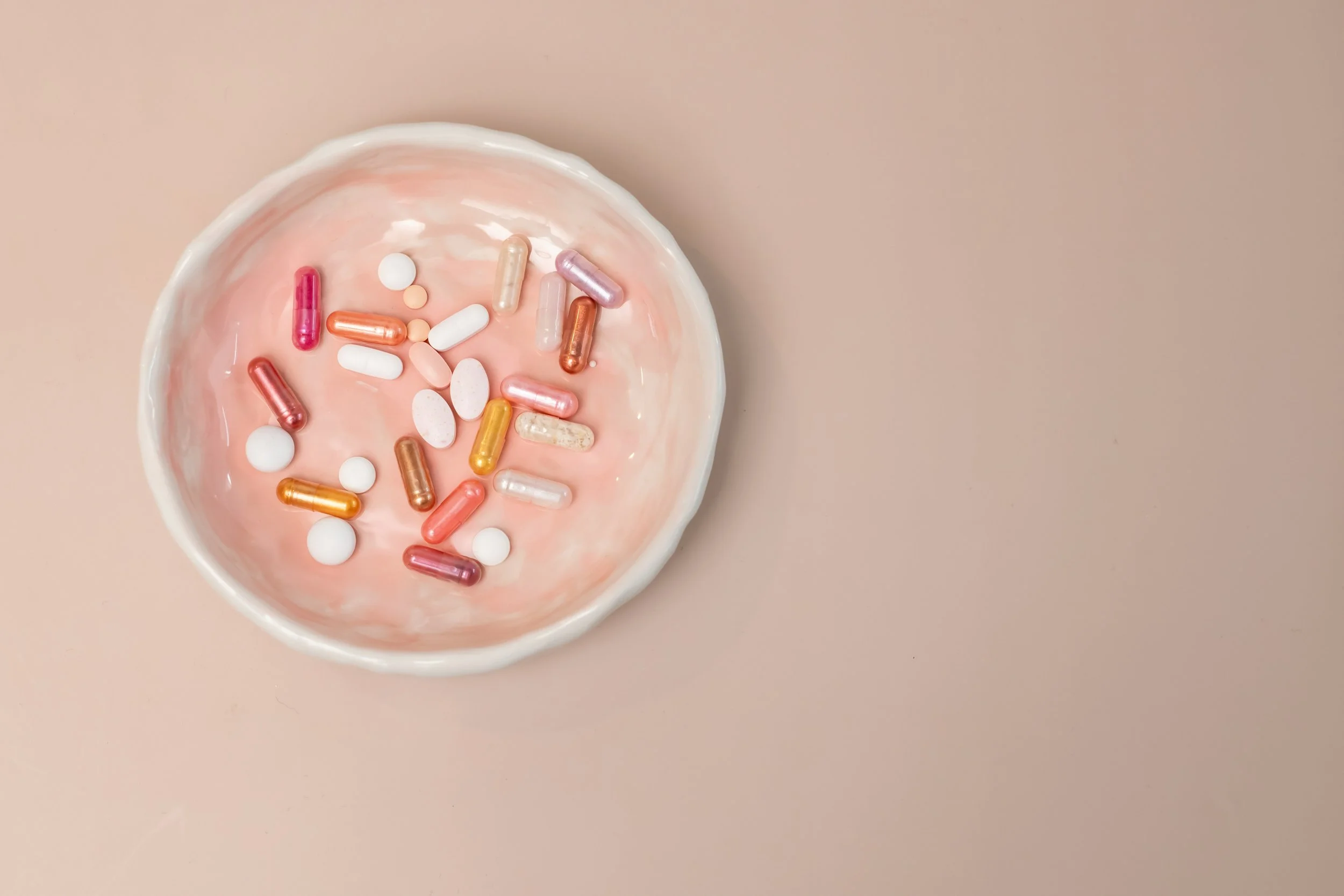
Finding safe and effective PCOS supplements can feel like guesswork. Many products make big promises, yet most people never learn how to evaluate supplement quality or determine which ones actually help PCOS symptoms. Since supplements aren’t regulated to the same standards as medication, quality varies widely. This is why choosing third-party tested supplements for PCOS is one of the most important steps you can take.
As a dietitian working with PCOS clients every week, I see the confusion firsthand. Someone brings in a new powder or capsule they saw online, and my first question is always whether it has been tested by an independent organization. A supplement’s effectiveness depends not only on the ingredient itself but also on how accurately it is dosed and how pure the product is.
Get 15% off Thorne Vitamins and Supplements here
Book a FREE Nutrition Counseling Session with an experienced women’s health dietitian to see how 1:1 support can help you with in your PCOS journey
Why Third-Party Testing Matters for PCOS Supplements
Third-party testing means an independent organization confirms that what’s listed on the label is actually what’s inside the bottle. This level of verification is especially important because supplement quality isn’t consistently monitored. The NIH Office of Dietary Supplements explains how ingredients and dosages can vary significantly across brands.
What Third-Party Testing Involves
Organizations like USP (United States Pharmacopeia), NSF International, and Informed Choice evaluate supplements for purity, potency, and contaminants. When you see one of their certification seals, it signals that the product meets verified standards.
Why PCOS Requires Higher Quality Control
PCOS often involves insulin resistance, inflammation, and hormonal disruptions. Low-quality supplements may contain inaccurate doses or unwanted ingredients, which can worsen symptoms. Research highlights connections between nutrient deficiencies and PCOS outcomes, especially regarding vitamin D.
Red Flags to Avoid
Be cautious if a supplement:
Uses proprietary blends that hide ingredient amounts
Promises to “fix hormones fast”
Comes from a brand that will not provide a Certificate of Analysis
Transparency is essential for safety.
Dietitian-Reviewed List: Best Third-Party Tested Supplements for PCOS
These supplements have strong evidence and are commonly used in PCOS-focused nutrition plans. Quality still varies, so choosing third-party tested options is key.
Inositol
Inositol is one of the most researched supplements for PCOS. The most effective approach is a combination of myo-inositol and D-chiro in a 40:1 ratio, which supports ovulation, menstrual regularity, insulin sensitivity, and androgen excess.
Choosing a verified product ensures accurate ratios and purity.
NAC (N-Acetyl Cysteine)
NAC helps produce glutathione, a major antioxidant, and may support ovulation and metabolic function in PCOS. Evidence indicates NAC may improve insulin sensitivity and reduce oxidative stress.
Omega-3 Fatty Acids
Omega-3s support reduced inflammation, healthier triglyceride levels, mood balance, and improved skin health. They are particularly valuable for PCOS-related inflammation.
Vitamin D
Vitamin D deficiency is widespread in PCOS and associated with metabolic and hormonal issues. Supplementing based on lab testing can be beneficial, especially with a USP-verified product.
Magnesium
Magnesium supports blood sugar regulation, cravings, muscle relaxation, stress response, and sleep. Magnesium glycinate is generally the best-tolerated and most effective form.
Inositol for PCOS: Myo vs. D-Chiro
Questions about inositol ratios come up constantly in PCOS communities. The body naturally uses a 40:1 ratio of myo-inositol to D-chiro inositol, and restoring this balance appears to be most effective for improving PCOS symptoms.
Why the Ratio Matters
This ratio supports ovarian function, insulin signaling, and hormonal regulation. Too much of either form may work against intended benefits.
Evidence-Based Benefits
Research suggests improvements in:
Ovulation and cycle regularity
Insulin sensitivity
Testosterone levels
Acne and androgen-related symptoms
Cravings and metabolic markers
Who Should Be Cautious
Individuals with hypoglycemia, low BMI, or complex medical conditions may require individualized dosing or monitoring.
How to Choose Safe, Effective PCOS Supplements
Choosing supplements becomes easier when you evaluate quality, nutrient forms, and your main symptoms.
Look for Certification Seals
USP, NSF, and Informed Choice verify dose accuracy and screen for contaminants. To better understand supplement regulation, review FDA guidance.
Evaluate Ingredient Forms
Different nutrient forms have different effects:
Magnesium glycinate supports relaxation and sleep
Magnesium oxide has low absorption
EPA and DHA amounts are more important than general fish oil quantity
Avoid High-Risk Marketing Practices
Avoid supplements with hidden dosages, detox kits, or products marketed with unrealistic hormone claims.
Tailor Supplements to Your Symptoms
PCOS varies significantly from person to person. Acne, hair changes, insulin resistance, cravings, fatigue, and fertility concerns may require different supplement approaches. A personalized plan is more effective than a long list of products.
PCOS Supplements to Approach with Caution
Some supplements marketed for PCOS do not support long-term health.
Hormone-Altering Supplements
Products claiming to adjust estrogen or progesterone can disrupt natural hormonal pathways and should be avoided unless medically supervised.
Cleanses and Detox Programs
These products may cause dehydration, electrolyte imbalance, and digestive irritation without improving PCOS.
High-Dose Single Nutrients
Large doses of B-vitamins, zinc, or fat-soluble vitamins can create new deficiencies or toxicity.
Low-Quality Online Brands
If a brand offers no transparency about ingredient testing, it is not worth the risk.
Common Questions About PCOS Supplements
What supplements should I take for PCOS?
Many people start with inositol, magnesium, vitamin D (if low), omega-3s, or NAC.
Are third-party tested supplements better?
Yes. Third-party testing ensures accuracy, purity, and consistency.
Can supplements help with PCOS weight management?
They may support metabolic pathways, reduce inflammation, stabilize energy, and help manage cravings.
How long do supplements take to work?
Most supplements begin showing effects between two and three months.
Supplements can play a valuable role in PCOS management when chosen carefully. The goal is not to take everything available but to use a small number of evidence-based, third-party tested products that match your specific symptoms. Quality matters. Testing matters. And personalization matters most.
If you want detailed supplement routines, dosage guidance, and brand recommendations, download my PCOS Supplement Guide. For individualized support, consider scheduling a nutrition counseling session where we can build a supplement plan tailored specifically to you.
Ready to Build a Smarter Supplement Routine?
If you're struggling to figure out what supplements you actually need:
Explore my meal plans to ensure your diet is nutrient-rich first.
Use my nutrition guides to dive deeper into your health goals.
Book personalized nutrition counseling for one-on-one supplement support.