Walking for Weight Loss: A Simple, Science-Backed 30-Day Plan
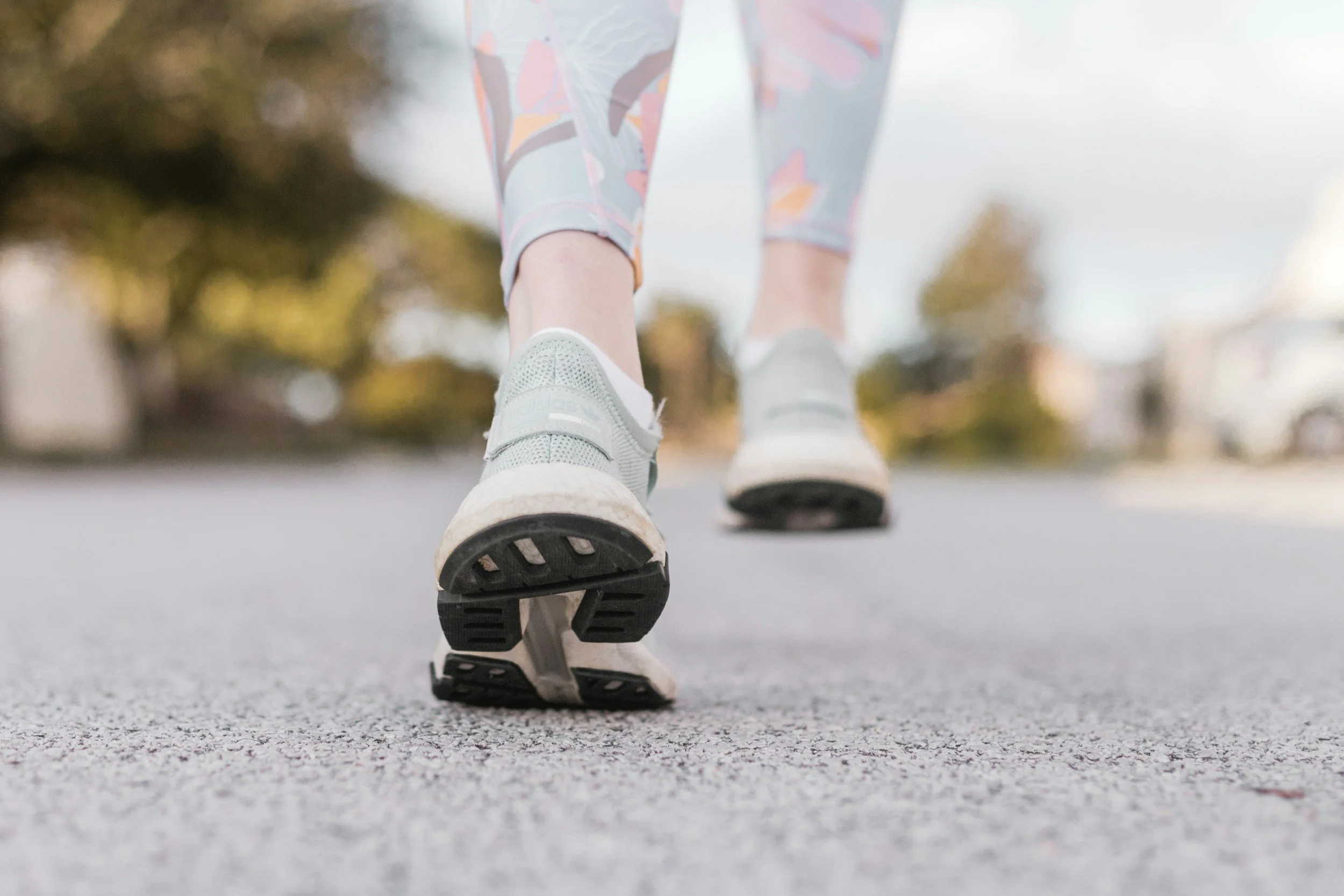
As a registered dietitian working with clients who want sustainable results, I often recommend starting with walking. It is accessible, low impact, and highly effective for weight loss when paired with a structured progression. This 30-day plan is designed for beginners who want a practical routine that fits into daily life.
Walking improves metabolic health, supports appetite regulation, reduces stress, and is one of the easiest forms of movement to maintain long term. You do not need a gym membership or advanced fitness experience to get results. You simply need consistency and a clear plan.
Why Walking Works for Weight Loss
Walking supports weight management through several key mechanisms:
• Increased daily calorie burn without excessive fatigue
• Improved blood sugar control and insulin sensitivity
• Lower cortisol levels and reduced stress
• Better appetite regulation
• Improved digestion and sleep quality
• Increased non-exercise activity thermogenesis (NEAT), a major contributor to total daily energy expenditure
Research consistently shows that higher step counts correlate with improved metabolic markers, cardiovascular health, and weight outcomes.
Who This Plan Is For
This plan is ideal for people who:
• Are new to exercise or returning after a break
• Prefer low-impact, joint-friendly movement
• Want to lose weight without high-intensity training
• Need a simple routine they can follow consistently
• Want structure without feeling overwhelmed
If you already average more than 8,000 to 10,000 steps per day, you can begin at Week 2 or 3.
The 30-Day Walking Progression Plan
This progression is intentionally gradual. It builds a foundation, increases intensity, and finishes with a boost in total volume that supports measurable results.
Week 1: Establish Consistency
Goal: 6,000–7,000 steps per day
Focus on building the habit. Break up walks into shorter sessions if needed. Many people find it helpful to add a short walk after meals or at the end of the workday. The purpose of Week 1 is to regulate energy, improve circulation, and get your body used to consistent daily movement.
Week 2: Add Incline Training
Goal: 6,500–8,000 steps per day
Plus: 10–15 minutes of incline walking 2–3 times per week
If you’re on a treadmill, use a 5–8 percent incline. Outdoors, choose routes with hills or stairs. Incline increases muscular engagement, particularly in the glutes and hamstrings, and raises the heart rate without impact. This increases calorie burn while strengthening key lower body muscles.
Week 3: Increase Step Goal
Goal: 8,000–9,000 steps per day
Maintain your incline sessions and add one longer-paced walk of 30–40 minutes. This boost in total volume provides a meaningful increase in daily energy expenditure. Many people notice improvements in energy, digestion, stress levels, and appetite regulation during this week.
Week 4: Push Into the Results Zone
Goal: 9,500–10,000 steps per day
Plus: One longer weekend walk of 45–75 minutes
This week creates the momentum needed for measurable results. Research suggests that approximately 9,500 daily steps is an effective threshold for improving metabolic health and supporting fat loss. The longer weekend walk enhances endurance, mood, and total weekly calorie burn.
Optional Add-Ons for Faster Progress
These are not required but can enhance results and make your routine more enjoyable.
Light Strength Training (2 times per week)
Strength work improves metabolism, lean mass retention, and body composition. Simple tools include adjustable dumbbells, resistance bands, or a Pilates ring.
Hydration and Electrolytes
Support hydration with water and electrolytes such as LMNT, Liquid IV, or Nuun. Proper hydration improves energy and endurance during longer walks.
Supportive Footwear
Walking becomes easier and more comfortable with the right shoes. Options include HOKA Clifton or Bondi, Brooks Ghost, and Nike Pegasus.
Helpful Accessories
A walking pad for indoor steps, a lightweight belt bag, a high-quality water bottle, or wireless headphones can make walks more convenient.
Pairing Walking With Nutrition
Movement and nutrition work together. For weight loss and energy stability, focus on:
• Higher protein meals (25–35 grams per meal)
• Balanced meals with adequate fiber
• Consistent hydration
• Regular meal timing
• Whole grains, vegetables, and lean proteins
Expected Results in 30 Days
Most beginners notice improvements such as:
• Reduced bloating
• Better digestion
• More stable energy
• Improved mood
• Better sleep
• Increased endurance
• Clothes fitting differently
• One to four pounds of weight loss, depending on starting point and nutrition
These benefits often continue to build beyond the initial 30 days.
Finally
For a personalized weight-loss strategy, private nutrition counseling, or access to structured meal plans, visit my services or shop pages. Combining a simple movement routine with evidence-based nutrition is one of the most effective ways to create long-term results.